
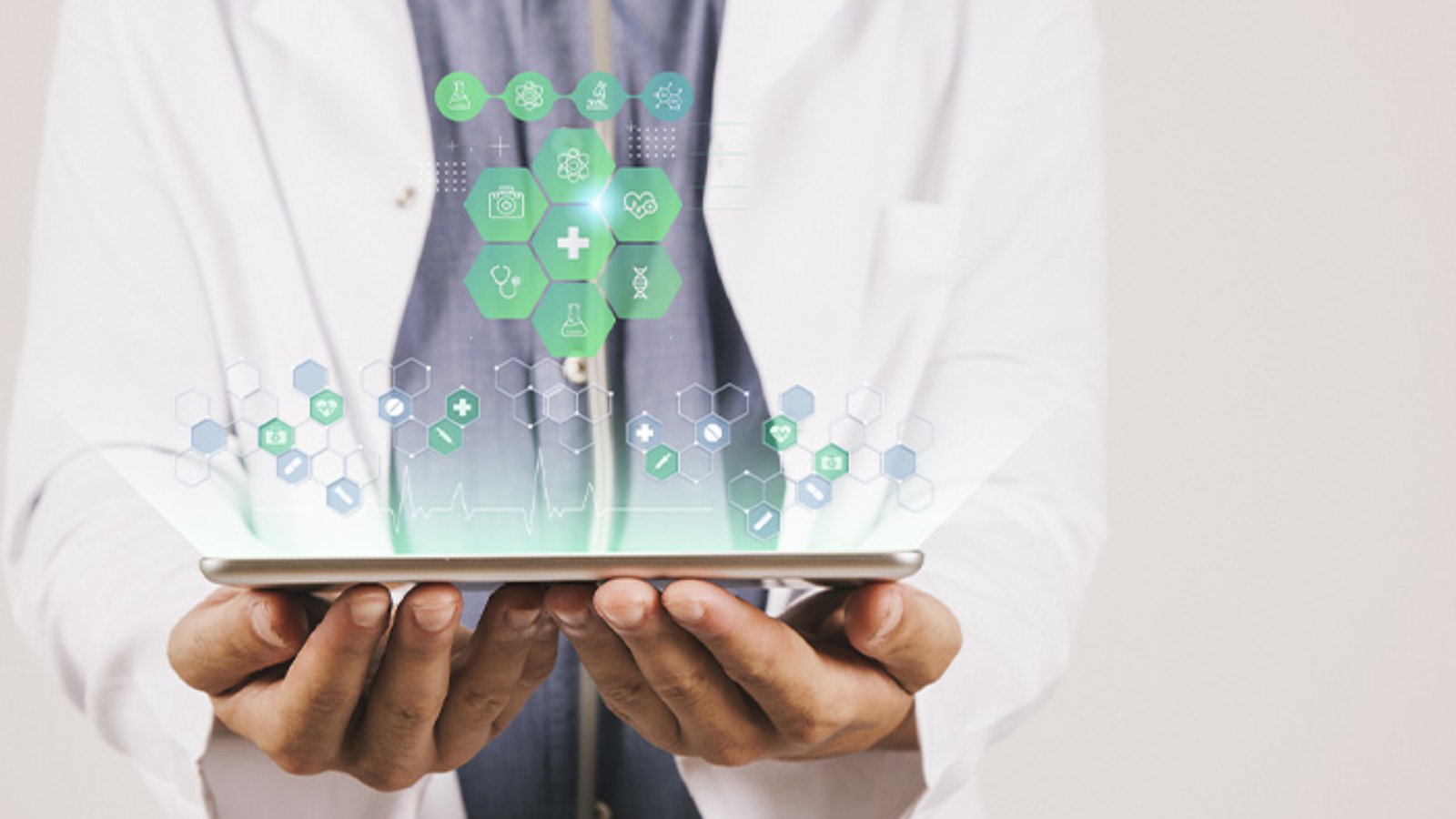
The Internet of Things (IoT) is changing the way we interact with technology, and healthcare is no exception. From remote monitoring to smart medical devices, IoT is revolutionizing patient care, making it more efficient, personalized, and connected. Let’s explore what IoT is and how it’s transforming healthcare.
What is IoT?
IoT refers to a network of physical devices connected to the internet, collecting and sharing data. These devices include everything from wearable health trackers to smart home systems. By communicating with each other and healthcare professionals, IoT devices provide real-time insights, automate processes, and improve outcomes.
How IoT Transforms Patient Care
- Remote Monitoring
- IoT-enabled devices like wearable sensors allow doctors to monitor patients’ health in real-time, even when they’re at home.
- Example: Patients with heart conditions can use wearables that track heart rate and alert healthcare providers to irregularities.
- Personalized Treatment
- IoT collects and analyzes data, enabling doctors to customize treatment plans based on individual needs.
- Example: A diabetic patient’s glucose monitor sends data to their doctor, who adjusts their insulin dosage accordingly.
- Enhanced Chronic Disease Management
- IoT simplifies managing chronic conditions like asthma or hypertension by providing continuous data streams.
- Example: Smart inhalers track usage patterns and warn patients of triggers in their environment.
- Improved Medication Adherence
- IoT devices can remind patients to take medications and alert caregivers if doses are missed.
- Example: Smart pill bottles notify patients via a smartphone app when it’s time for their next dose.
- Reduced Hospital Readmissions
- By monitoring patients remotely and identifying issues early, IoT reduces the need for hospital readmissions.
- Example: Wearable compression devices monitor swelling in postoperative patients, helping to prevent complications.
Real-World Examples of IoT in Patient Care
- SCW-Pro Wearable: Tracks recovery metrics like joint movement and swelling in postoperative patients, providing data to doctors and empowering patients to follow recovery plans.
- Smart Beds in Hospitals: These adjust automatically to improve patient comfort and reduce bedsores.
- Connected Blood Pressure Monitors: These send readings directly to doctors, allowing for timely intervention.
Challenges of IoT in Healthcare
While IoT offers numerous benefits, it’s not without challenges:
- Data Security: Protecting patient data is critical.
- Integration: Ensuring devices work seamlessly with existing healthcare systems can be complex.
- Cost: High-tech solutions may not be accessible to all patients.
The Future of IoT in Healthcare
IoT is paving the way for a future where healthcare is smarter and more accessible. Innovations like artificial intelligence (AI) integration, predictive analytics, and more advanced sensors will continue to shape how we care for patients.
IoT is transforming patient care by enabling real-time monitoring, personalized treatment, and better chronic disease management. As the technology evolves, it will continue to improve healthcare outcomes, making patient care more proactive and connected than ever before.
Add a Comment